





How much does solid wood flooring cost? 2026 price guide
Solid wood flooring (also known as real wood or hardwood flooring) is one of the most desirable upgrades you can make to your home. It adds warmth, character and long-term value. But how much does it actually cost? Today, the average solid wood flooring cost in the UK is around £80 per m². However, our real wood flooring starts at around £43 per m². Whether you're budgeting for a single room or renovating your entire ground floor, this guide breaks down material costs, fitting costs, hidden extras and how to save money. Key takeaways:
- Wood floors can boost the value of your home by as much as 2.5% - 5%
- According to Checkatrade , solid wood flooring costs an average of £80+ per m²
- And a fitter will charge around £250 per day or £35-£60 per m² for installation
- Our solid hardwood flooring starts at around £43 per m²
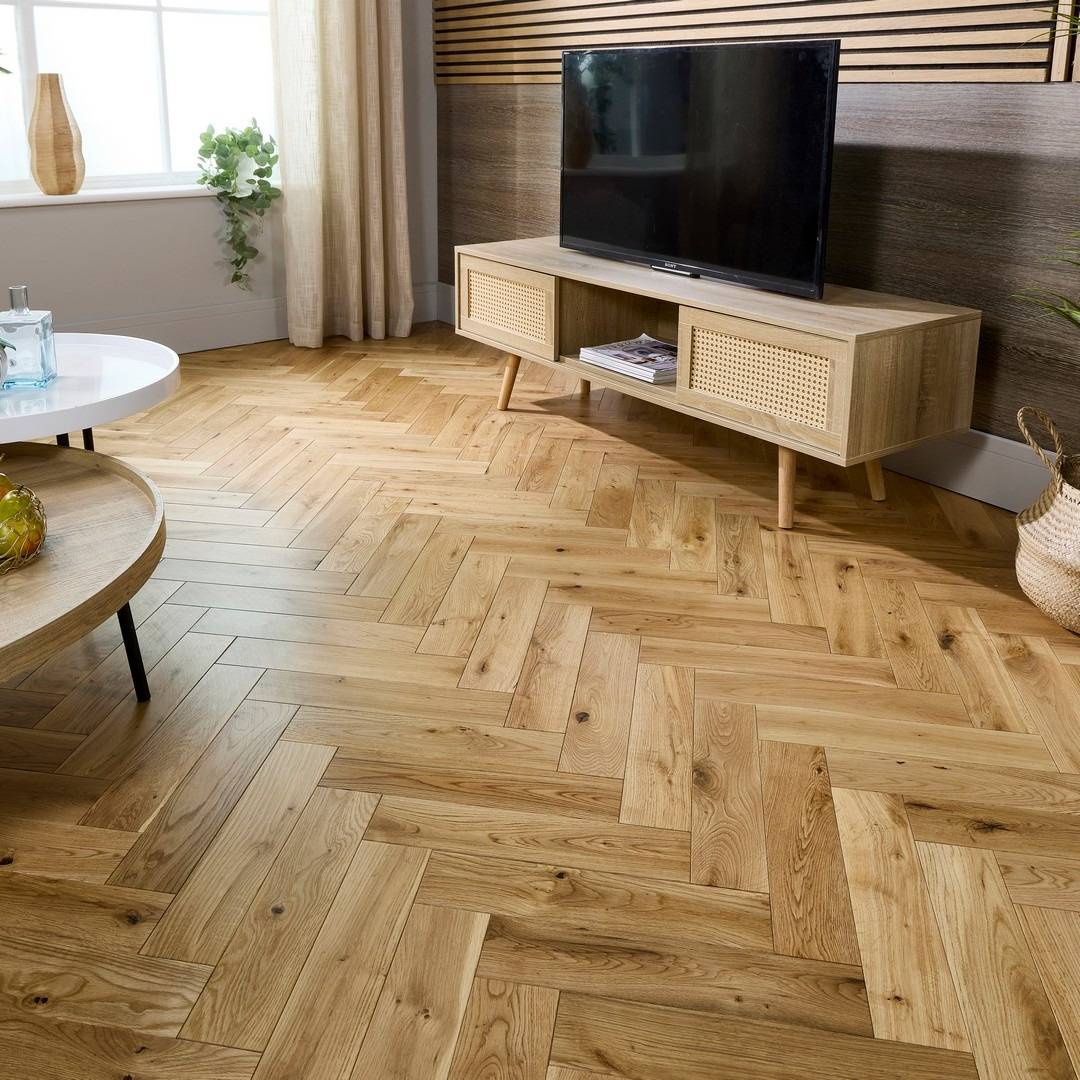 Product Highlight: Herringbone Solid Wood Flooring 18mm Natural Uv Oiled
Real wood flooring costs per square metre
Real wood flooring is one of the most premium flooring types available. Unlike engineered wood or laminate, every plank is made from one solid piece of timber, so pricing varies depending on:
- Wood species (oak, maple, walnut, etc.)
- Board format (standard plank, parquet, herringbone)
- Finish (lacquered, oiled, unfinished)
- Installation complexity
Across the UK, the average price of solid wood flooring materials is £80 per m², with luxury hardwoods or parquet patterns going higher. Our prices start below the UK average, beginning at £43 per m².
| Floor Type | Avg UK Material Cost (per m²) | FDF Material Cost (per m²) | Installation Cost (per m²)* |
| Solid wood (oak / maple / beech) | £80+ | £43 - £50 | £35–£60 |
You’re not just paying for timber. You’re paying for grading, board width, finish and the craftsmanship that goes into each plank.
Solid wood floor installation costs in the UK
According to Checkatrade and MyBuilder, the average wood floor installation cost is:
- £35–£60 per m², or
- £250–£300 per day, depending on your location and room complexity
Complex layouts (like herringbone) take longer, so expect higher fitting costs. Likewise, if you live in a city like London, labour costs will be on the higher end. Our wood floor installation guide has more information.
What affects the cost of wood flooring?
Several factors influence the total cost of wood flooring, from the board itself to the complexity of installation.
Type of wood
Some species are more expensive to source and mill. Oak flooring is normally the most affordable and widely available. Premium woods like walnut or exotic species increase the price due to supply, demand and sustainability considerations.
Quality of finish
Boards are available pre-finished or unfinished.Pre-finished boards cost more upfront, but they arrive already sanded, sealed and ready to install - saving time and labour during fitting. There are two common finishes to choose from:
- Oiled wood flooring : Natural and matte, with a warm, organic look. Minor damage is easier to repair because you can spot-treat small areas.
- Lacquered wood flooring : Glossier and highly durable. Provides a protective layer on top of the wood, offering better resistance to spills and everyday wear - ideal for high-traffic areas.
Room size and layout complexity
Larger spaces require more materials, but the bigger impact comes from layout:
- Straight plank installations are quicker and more cost-efficient.
- Herringbone wood flooring and parquet patterns demand precision and take longer to fit, increasing labour costs.
Labour costs and location
Installation can make up a significant portion of the overall price. Rates vary depending on contractor experience, regional demand and living costs. In the UK, London and the Southeast have the highest labour premiums, while the Midlands and North tend to be more cost-efficient.
Provider markups
Costs are influenced by where you purchase your flooring:
- Traditional flooring showrooms often add overheads for sales staff, warehousing and retail space.
- Online-only retailers can offer lower prices because we operate with fewer overheads and sell directly to consumers.
Other hardwood flooring costs to consider
When budgeting for real wood flooring, the price of the boards is only part of the picture. Installation, preparation and finishing details can all affect the total cost of your project.
| Potential extra cost | Estimated price |
| Underlay & moisture barrier | £5–£15 per m² |
| Skirting or beading | £5–£12 per linear metre |
| Floor levelling / prep | £10–£40 per m² |
| Removing old flooring | £2–£10 per m² |
| Furniture removal | £50–£150 per room |
| Adhesive (for glue-down floors) | £40–£80 per tub |
Preparing your floor
Wood flooring performs best when installed on a completely level, dry and stable surface. If your subfloor is uneven or damaged, it may need levelling or repair before installation. This prevents squeaks, bounce and premature wear. A moisture barrier and suitable underlay (for floating floors) are also important. They protect against damp, help with sound insulation and can make the floor feel more comfortable underfoot.
Finishing touches
Skirting boards or beading hide expansion gaps around the edge of the room. These are needed for all solid and engineered wood flooring . Without them, you risk buckling or lifting when the wood naturally expands and contracts. Matching trims give the floor a professional finish and can elevate the overall look of a room.
Maintenance and long-term care costs
Once installed, real wood flooring can last decades, but it does require occasional maintenance to stay looking its best. A wood floor maintenance oil or lacquer helps protect against scratches, moisture and UV exposure. Oiled floors may need re-oiling every 12–24 months depending on use; lacquered floors require fewer updates. Average refinishing costs:
- Sanding and re-varnishing (professional): £20–£35 per m²
- DIY sanding equipment hire: £25–£60 per day
- Maintenance oil / lacquer products: £20–£50 per tin
Repair costs
Scratches and dents are inevitable, especially in high-traffic areas or homes with pets. Minor damage can be repaired cheaply:
- Small scratches: A colour-matched wood marker or wax repair stick can disguise marks quickly.
- Deep dents or multiple scratches: These may require sanding back the area and refinishing.
The key to low repair costs is prevention. Use felt pads under furniture, avoid stilettos and place mats at entrances to minimise debris. Routine care, like sweeping and quick spill wipes massively reduces repair costs over time. [Image]
Is solid wood flooring worth it?
Although a pricier option than laminate or vinyl, solid wood flooring offers beauty, durability and long-term value that few other flooring options can match. Its timeless appeal works in pretty much any home, from traditional living spaces to contemporary open-plan designs.
Beautiful and timeless: Natural wood creates a warmth and character that instantly elevates the look of a room. Each plank is unique, giving your home a bespoke, high-end feel that never goes out of style.
Long lasting and durable: With proper care, solid wood flooring can last decades, resisting daily wear and tear far better than many alternative floor types. Wood floors can also be sanded and refinished multiple times, restoring its original beauty even after years of use.
Increases home value: Hardwood floors can even improve the value of your home, meaning it pays for itself over time.
"Real wood flooring is still one of the most sought-after among prospective buyers,” said Chris Pane, Flooring Surveyor at Factory Direct Flooring. “Realtor reported that wood floors can boost the sales price of your home by as much as 2.5%, and deliver a 70-80% return on investment, while another study that used analysis of Rightmove listings estimated a property value increase of 3.33% from real wood flooring."
Dave Sayce, CEO at Compare My Move added: “Research shows that hardwood floors could potentially increase the value of a home up to around 5% in some instances. Real wooden flooring is always a popular choice amongst prospective buyers. It's not only timeless, but it’s durable too.”
How to save money on solid wood flooring
Investing in solid wood flooring can be a big expense, but there are plenty of ways to keep costs under control without compromising on quality.
Use our wood flooring cost calculator
When browsing any solid wood flooring at Factory Direct Flooring, each product page features the My Project flooring calculator. Simply enter your room dimensions in either metres or feet squared, and the calculator will instantly tell you how many packs you need and the approximate total cost. You can save your measurements room by room for easy planning, ensuring you order the right amount of flooring without overspending.
Account for wastage
The calculator also allows you to add an extra 10% for wastage. While this adds slightly to the upfront cost, it prevents the need to buy additional boards mid-installation, which can be more expensive and time-consuming. Tips to save money:
- Choose standard sizes and finishes: Pre-finished oak planks are generally more affordable than bespoke or exotic hardwoods.
- Buy in bulk: Ordering the full amount of flooring in one go can reduce delivery charges and may make you eligible for volume discounts.
- Plan your layout carefully: Reducing cuts and complex patterns, like herringbone or parquet, can save both material and labour costs.
- Source directly from trusted suppliers: Buying solid wood flooring from reputable suppliers online cuts out extra retail markups.
Related: What is the Best Solid Wood Flooring?
Ask an Expert! FAQs about solid wood flooring prices
Still have questions about hardwood flooring? Our experts are on hand to help…
Are real wood floors expensive?
Solid wood floors are generally more expensive than laminate, vinyl or carpet. However, they are a long-term investment thanks to their durability, timeless appeal and ability to increase property value. Our factory-direct prices mean we offer quality hardwood flooring products at a lower than average cost.
What's the average cost to install wood floors?
Installation costs vary depending on the complexity of the layout and your location. Expect to pay between £35–£60 per m² for professional fitting.
Can I install wood flooring myself?
DIY installation is possible for simpler plank systems with tongue-and-groove or click-lock designs. Complex patterns like herringbone or parquet are best left to professionals to avoid costly mistakes. Always prepare your subfloor properly and use the correct underlay to ensure a flawless finish.